Frankfurt expands electric bus fleet to 109 vehicles
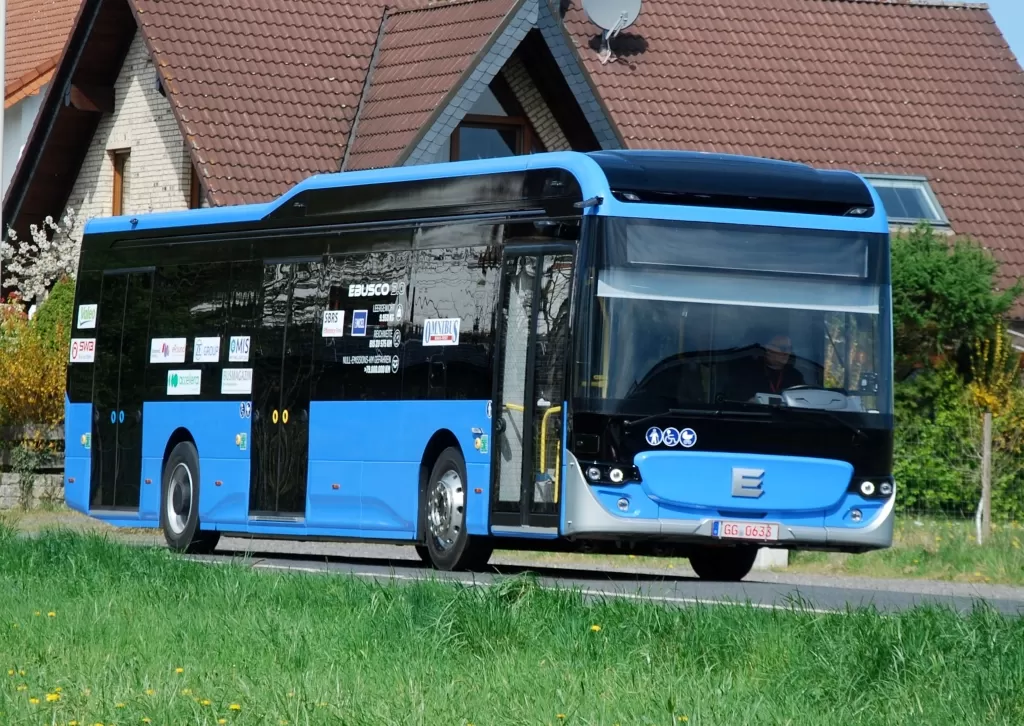
Frankfurt expands electric bus fleet and charges it with energy from waste
According to electrive’s report of November 2, 2026, Frankfurt am Main, Germany, has 109 battery-electric or fuel-cell buses in service. They account for more than a quarter of the city’s 418-vehicle bus fleet.
New Ebusco buses enter service on routes 56 and 71
Operator Transdev Rhein-Main (TDRM) has added nine electric buses from Dutch manufacturer Ebusco to its fleet. The publication describes the manufacturer as a company facing difficulties.
The new vehicles serve route 56 between Rödelheim, Sossenheim and Eschborn. TDRM also uses them on route 71 in Praunheim and the Nordweststadt district. These buses are already carrying passengers, rather than awaiting delivery.
As electrive reports, the city administration ranks Frankfurt’s electric bus fleet among Germany’s largest. According to the same publication, Yannick Schwander, who is responsible for transport in the city administration, called the 100th electric bus a symbol of the changes the city has been making to its bus services since 2018.
The city and operators TDRM and In-der-City-Bus (ICB) plan to convert the entire bus fleet to powertrains with no local emissions by 2033. In western Frankfurt, ten additional non-articulated electric buses are due to bolster route group B from 2027. The purchase of 39 electric vehicles is planned for the eastern part of the city in 2028.
To accommodate the future fleet, ICB is building the Elektro-Busdepot Ost depot on Flinschstraße in the Seckbach district. From December 2028, the smaller routes 25, 57, 81, 82, 83 and 85 are scheduled to be combined into group H and converted entirely to electric operation.
ICB plans to build Elektro-Busbetriebshof West on Lorscher Straße in Rödelheim to replace the Römerhof depot. It is intended to accommodate 200 battery-electric and hydrogen buses and provide the infrastructure they need. Until the new depot opens, ICB is using an interim solution: the operator recently put 52 conventional diesel buses into service.
Battery-electric buses charged with energy from waste incineration
Electricity for Frankfurt’s battery-electric buses is generated by the Heddernheim waste incineration plant (MHKW). It is operated by Frankfurter Entsorgungs- und Service GmbH (FES) and energy supplier Mainova. The plant generates electricity in part by burning household waste.
TDRM Managing Director Wolf described the partnership linking waste incineration, electricity generation and transport with no local emissions as unique in Germany. FES Managing Director Dirk Remmert believes the arrangement makes efficient use of the city’s resources and combines climate protection with public benefit.
However, the buses’ electricity supply cannot be considered entirely “green.” According to the publication, renewable energy accounted for around 47% of the plant’s output. The waste incineration plant produces emissions when generating electricity, although the electric buses themselves produce none while driving. The description “no local emissions” therefore refers to the buses’ operation on their routes, not to their entire energy supply chain.