Nvidia showcases Volkswagen with Hyperion and a 25,000-robotaxi project in Europe
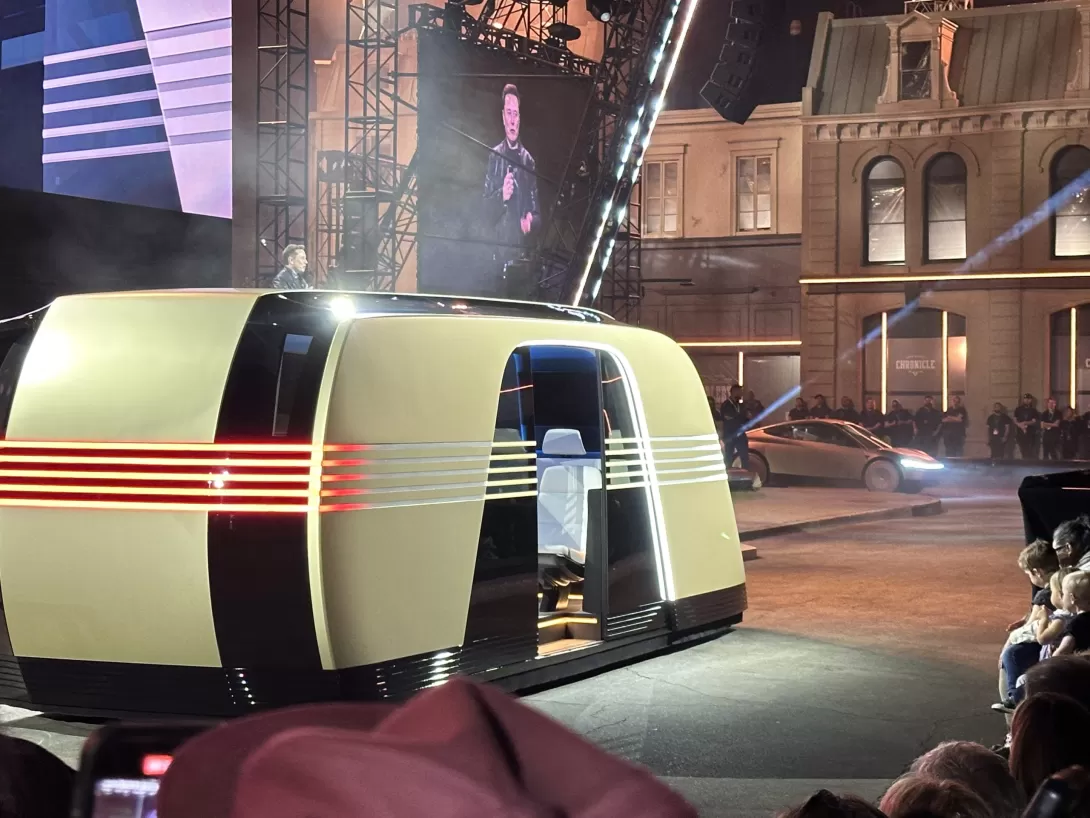
Nvidia unveiled new technologies and partnerships for automated driving in Europe at a conference in Berlin. The projects presented cover driver assistance systems, robotaxis and autonomous commercial vehicles.
Volkswagen showcases ID. Buzz AD with Hyperion
Volkswagen Commercial Vehicles showcased an autonomous ID. Buzz AD built on the Nvidia Hyperion platform, which combines onboard computing hardware with a standardized sensor architecture. The platform’s stated aim is to simplify the integration and validation of automated driving systems.
Nvidia CEO Jensen Huang presented the combination of Hyperion and the Halos safety system as a robotaxi platform designed to achieve full autonomy. Nvidia also provides tools for training artificial intelligence models and proposes testing automated driving functions virtually.
The autonomous ID. Buzz AD that exists today uses Mobileye technology. The demonstration of a vehicle with Hyperion does not confirm that this technology will be replaced or that a new production architecture has been selected. The vehicle’s future configuration with Hyperion remains uncertain, as does Mobileye’s future role.
Bolt selects Alpamayo for 25,000 Lucid robotaxis
Bolt has selected the Nvidia Alpamayo software stack for the robotaxi service it plans to launch in Europe. The partnership calls for at least 25,000 Lucid vehicles designed for Level 4 autonomy to be deployed in European markets.
These electric vehicles are to be equipped with the Nvidia Hyperion platform. Nvidia describes it as a modular foundation that can accommodate proprietary software and solutions from other developers. Bolt announced its partnership with Lucid in September, when Hyperion was already part of the project, but a specific driving software stack had not yet been named.
Bolt and Nvidia plan to adapt the autonomous driving software to European road conditions. Bolt will contribute fleet management systems, operational experience and knowledge of local markets. The company identified Germany and France as the main markets for the service’s rollout.
In the longer term, the partners plan to integrate the software into vehicles made by other manufacturers. Bolt’s long-term goal is to bring the number of autonomous vehicles on its platform to 100,000.