Zeekr 001 variant with 370 kW rear motor appears in regulatory filing
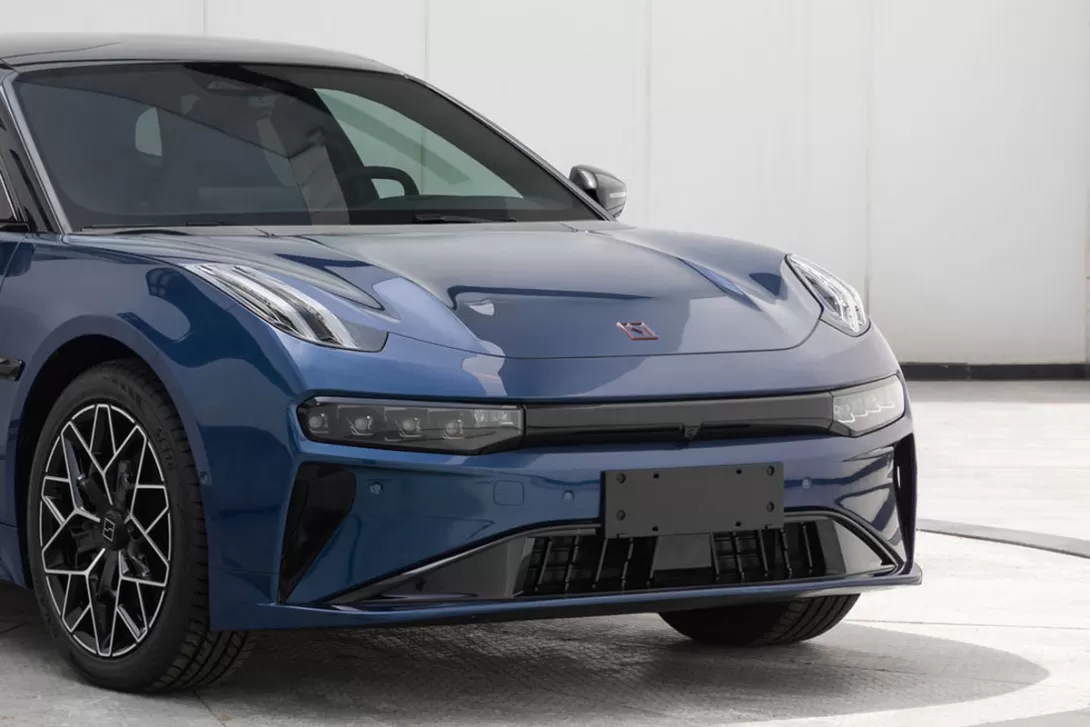
New Zeekr 001 variant filed in China with a 370 kW rear motor
CarNewsChina reported on November 4, 2026, that a new Zeekr 001 variant had appeared in a regulatory filing with China's Ministry of Industry and Information Technology. Geely Auto is listed as the manufacturer. The electric car retains its full-width taillights and Zeekr lettering at the rear.
The car is equipped with a single TZ230XYC04 rear electric motor. It is manufactured by Quzhou Jidian Electric Vehicle Technology Co., Ltd, a Geely subsidiary. Maximum output is 370 kW, with a top speed of 240 or 280 km/h.
The new variant uses a lithium iron phosphate battery. Geely supplies the cells and assembles the battery pack.
The filing lists two lengths, 4977 and 5029 mm, with a width of 1999 mm and a wheelbase of 3005 mm. The standard version stands 1545 mm tall, while the version with air suspension measures 1533 mm. Curb weight is 2350 or 2420 kg.
Buyers will have a choice of exterior colors, rear spoilers, mirrors and brake components. An optional towing package allows the car to tow a trailer weighing up to 2000 kg. The car is equipped with an event data recorder, while electronic toll collection equipment is available at an additional cost.
The publication speculates that the updated Zeekr 001 will feature Geely Smart Charging technology. Citing its own earlier report, it gives a charging time from nearly zero to 97% of 8 minutes and 40 seconds. Use of this technology in the newly filed variant has not yet been confirmed.
For background, the publication points to the Zeekr 001 introduced in 2024. At launch, it described that model as the world's fastest-charging production car.
The current Zeekr 001 is available with a Geely lithium iron phosphate battery or a CATL ternary lithium battery. The publication gives a 10–80% charging time of 7 minutes for the former and 10 minutes for the latter. These times cannot be compared directly with the figure for the new technology because the starting and ending charge levels differ.